History of the House

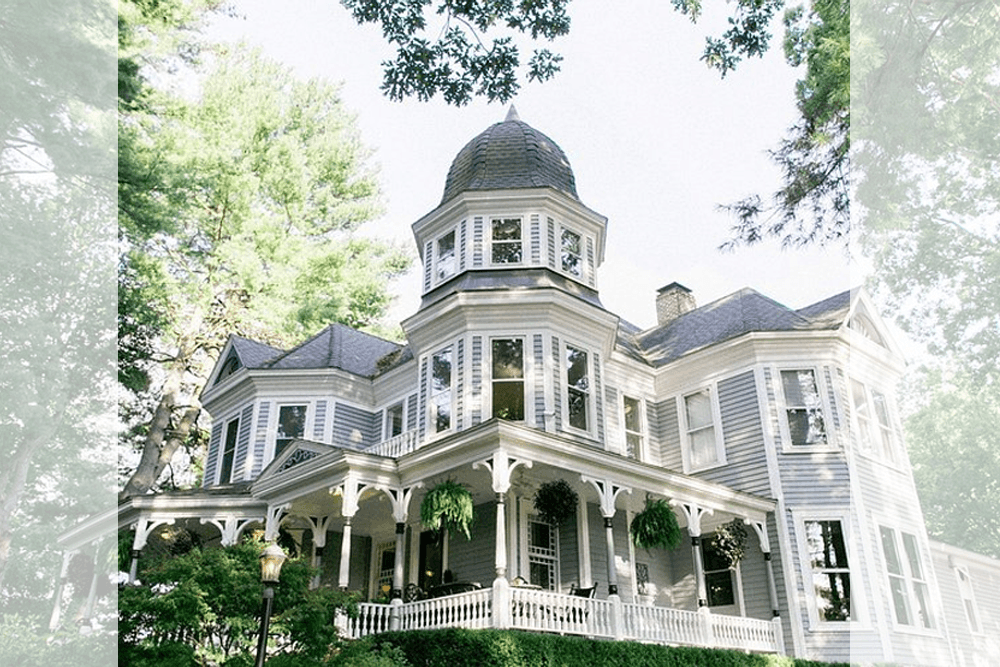
The official name of Biltmore Village Inn is the Samuel Harrison Reed House. It was constructed in 1892 for the eldest son of Joseph and Katherine Miller Reed. The family had been in Buncombe County for several generations. Joseph Reed was a captain in the Confederate army. 

In 1872, Joseph Reed bought “a 1,260-acre plantation two miles south of Asheville, on a small portion of which is now located the towns of Biltmore and South Biltmore.” These are the present-day Biltmore Village.  

Joseph Reed developed ponds, saw mills, carding, and grist mills on his property, and built a new home for himself. He was the first man in Western North Carolina to house and sell ice, and owned a brickyard and meat market.

When the Western North Carolina Railroad and Asheville and Spartanburg Railroad approached Asheville in 1879, Joseph Reed negotiated a right of way for their junction. He built a brick station at the junction, presented it to the railroads, and added a brick store and hotel to his earlier buildings at the site, creating the village of Best. In 1883 he purchased a large tract to the east of Best, including the present municipal golf course. 

Samuel Reed was born in 1851, and took his law degree from the University of North Carolina in 1872. When his father died in 1884, Samuel Reed inherited a large part of the estate. He married Jessie Wingate in 1873; the couple had nine children, only four of whom lived beyond infancy. 

Reed was the senior member of the law firm of Reed and Van Winkle. He sold a tract of land to George Washington Vanderbilt in 1888, including one hundred acres on the “south side of the Swannanoa River at the Asheville Junction and Hendersonville Road.” This tract included the present Biltmore Village, but excepted the hilltop contiguous to the south of town, on which he built this house. 

His son, Charles Wingate Reed, recalled that his father built the new house in Biltmore in the summer of 1892, and “I am told we moved in in the fall of that year, when I had reached the ripe old age of four or five months.” 

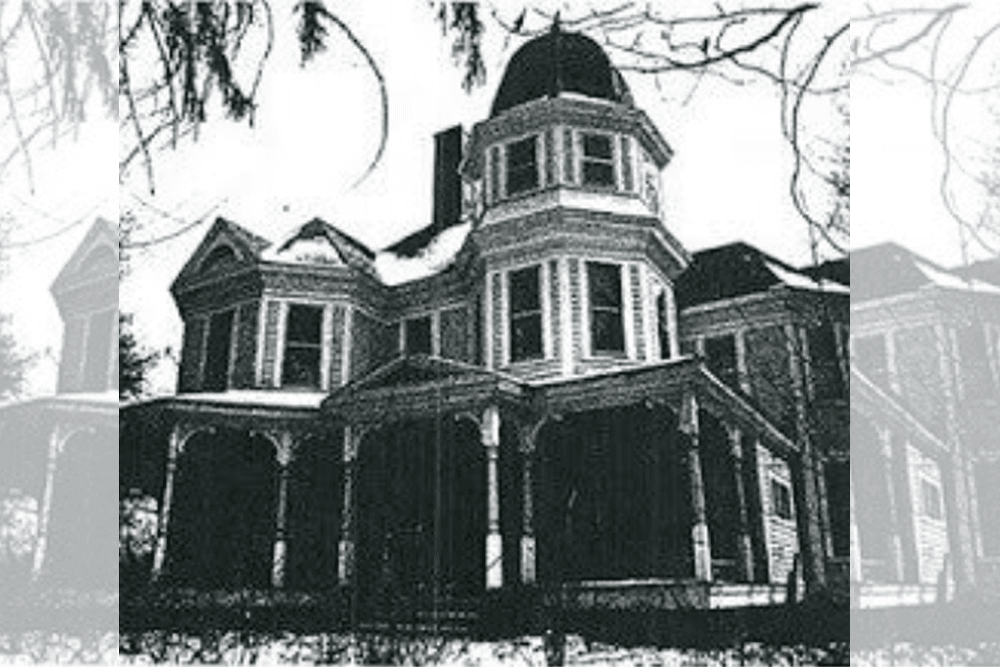
The house was situated at the crest of a knoll, which came to be known as Reed Hill. The hill had been totally cleared of vegetation when the house was built, affording an unobstructed panorama from Biltmore Village to the Kenilworth Inn toward Asheville. Early photos of All Souls Episcopal Cathedral in the Village show the Reed House in the distance, likely painted in dark colors. Unfortunately, no closer photos remain today.  

The house was among the first in Asheville to be built with running water and a bathroom, the water being pumped from the well by a large windmill. A servants’ house was erected about one hundred feet behind the kitchen entrance; early accounts say it “still exists,” which would mean that the current cottage was that servant house. Across from it, on the site of the current shed, was the carriage house, and next to it was the well and windmill.  

Samuel Reed was the first innkeeper the house had—he was listed in the 1904-5 city directory as the owner and proprietor of the Oaks Hotel, a large frame hostelry in the village of Victoria, between the current Biltmore Village and downtown Asheville.  

Reed died in 1905. His wife had died six months earlier; Wingate Reed, then 12 years old, inherited the house. He was sent off to prep school, and the house was closed.  

While Wingate Reed was at school, his guardian divided the house into upstairs and downstairs apartments. After Wingate Reed finished college and married, he and his wife moved back into the house in 1913. Their oldest son, the only Reed born in the house, died in infancy.  

Reed said “my wife and I lived there for less than a year, when I decided it was too much house and land for a young man just starting in life, so I sold the property, about 17 acres at the time, to a developing company.”  

The owners were John and Hepsibah Feezor, who sold off many lots around the house, including a separate one for the servants’ quarters. They owned the house until 1946, and it changed hands three times before being bought by the Stauffer family in 1948. The Stauffers owned the house until 1963. They modernized a bathroom downstairs and enclosed the rear second-storey porch during their stay. Their grandson has visited and told us the house was surrounded by boxwoods at the time, and so we have surrounded the house with them again.  

A K.M. Abbot bought the house and divided it into apartments; some of the neighbors now here remember living in one of the apartments. It was terribly abused and abandoned for several years before being sold in 1973 to Marguerite Turcot. The Asheville Building Department had begun condemnation hearings when she bought the house. After a long struggle trying to restore the house, during which she managed to get it designated as a County Landmark and put on the National Register, Mrs. Turcot opened it as a seasonal B&B. In 2000, she sold the house to a group that began a restoration; after about a year of work, they sold the house to the Ripley Hotch and Owen Sullivan, experienced inn owners, who completed the renovation and opened the Biltmore Village Inn in September, 2001.  

In late 2006, the inn was sold to the current owners, who undertook a complete redecoration as well as renovation of the luxury vacation cottage.